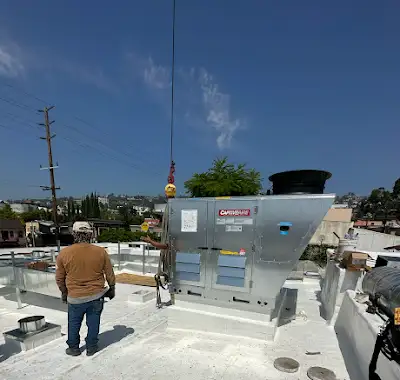
Coordination is more than clash detection
Digital coordination can reveal geometric conflicts, but a constructible installation also depends on access, tolerances, supports, maintenance clearances, control points, and the order in which trades can work.
The coordination conversation must connect engineering intent with actual site conditions and installation methods.
Protect the operating requirement
In technical facilities, building systems exist to support an operating requirement. Airflow, power, piping, controls, redundancy, and environmental conditions must remain connected to that requirement throughout design development and field changes.
When a change is proposed, the team should evaluate system performance, code implications, access, schedule, and downstream commissioning—not only immediate installation cost.
Commission progressively
Verification is stronger when it is planned by system and performed progressively. Checklists, inspections, testing prerequisites, documentation, and issue resolution should develop alongside construction.
This approach makes turnover more predictable and gives the owner a clearer record of what was installed and how it was verified.